A Contextual Overview of Body Weight Patterns and Everyday Nutrition
This resource provides general information about the relationship between daily eating habits and body weight within everyday contexts. The content explores common food environments, social aspects of eating, and general observations about nutrition in daily life.
All materials presented here are educational in nature and describe general patterns observed in everyday settings. This is not a service, programme, or advisory platform.
Explore the general context
Food and Daily Routines

Daily routines often include established patterns of food consumption that vary across individuals, households, and cultural backgrounds. Morning, midday, and evening meals represent common temporal markers around which many people organise their eating activities.
The structure of daily routines influences when and how food is consumed. Work schedules, family arrangements, and personal preferences all contribute to the formation of individual eating patterns. These patterns are neither inherently positive nor negative but simply reflect the diverse ways in which food fits into everyday life.
Seasonal variations, weekday versus weekend differences, and life stage changes can all affect how daily food routines develop and evolve over time. Understanding these contextual factors provides perspective on the complexity of everyday eating.
Common Eating Patterns
Eating patterns describe the general ways in which food consumption is distributed throughout the day. These patterns vary widely among individuals and are influenced by numerous factors including cultural background, occupational demands, and household composition.

Workday Eating
During working hours, eating patterns are often shaped by available break times and workplace facilities. Packed meals, nearby food establishments, and workplace canteens represent common sources of midday nutrition for many individuals.

Home-Based Meals
Meals prepared and consumed at home represent a significant portion of food intake for many households. The home environment provides opportunities for meal preparation with varying levels of complexity and time investment.
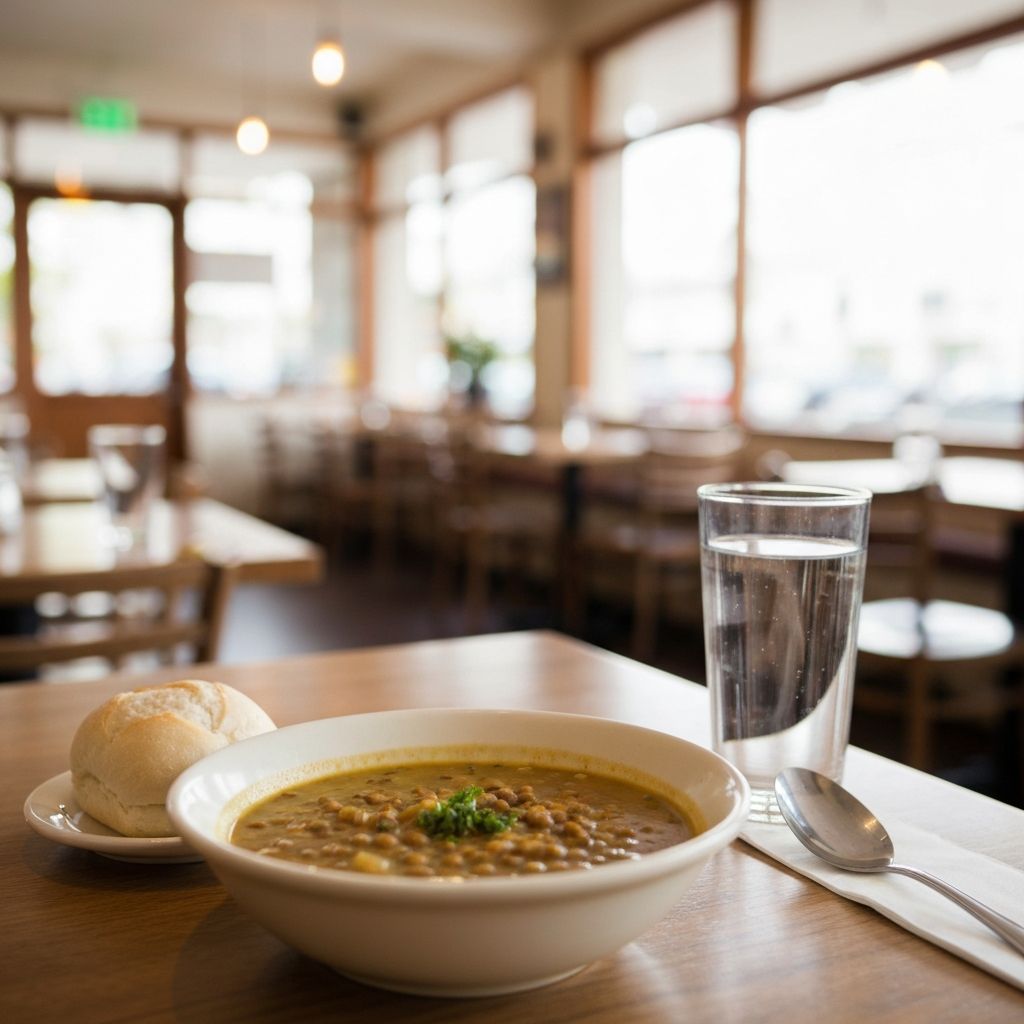
Eating Outside the Home
Restaurants, cafes, and food outlets provide alternatives to home-prepared meals. The frequency of eating outside the home varies considerably based on individual circumstances, preferences, and available options.
Social and Cultural Food Contexts
Food consumption frequently occurs within social settings and carries cultural significance beyond basic nutrition. Shared meals, celebrations, and traditional food practices reflect the social dimensions of eating that exist across different communities.
Cultural backgrounds influence food preferences, preparation methods, and the social rituals surrounding eating. These traditions vary widely and contribute to the diversity of food practices observed in contemporary society.
Social gatherings often centre around food, with meals serving as occasions for family connection, community building, and cultural expression. The social context of eating represents an important aspect of how food functions in everyday life.

Food Availability in Urban Life
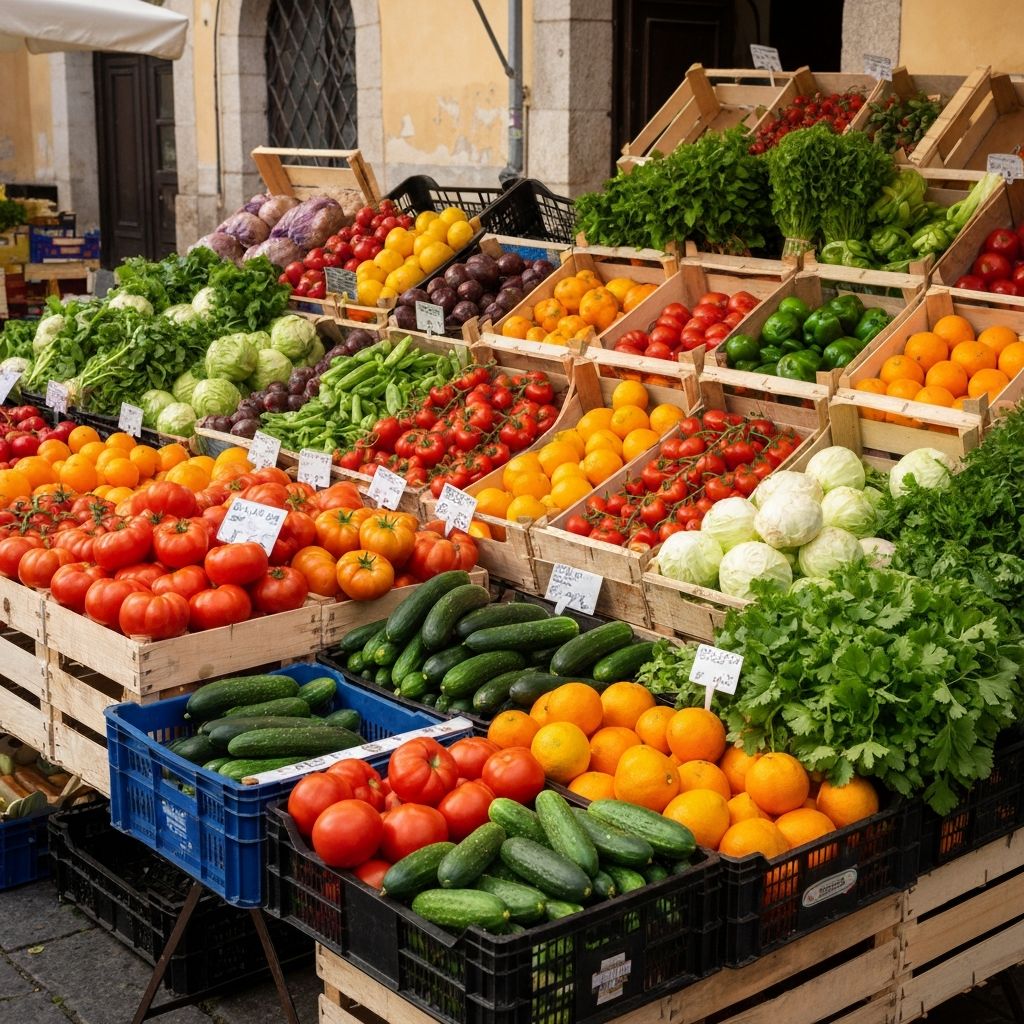
Urban environments present particular characteristics regarding food availability and access. Supermarkets, local shops, markets, and food service establishments collectively form the food landscape within which urban residents navigate their food choices.
The distribution of food retail outlets varies across different neighbourhoods and communities. Geographic factors, transportation options, and economic considerations all influence how individuals access food within urban settings.
Farmers markets, speciality shops, and various retail formats offer different types of food products and shopping experiences. These options contribute to the overall food environment that shapes everyday purchasing and consumption patterns.
Eating Frequency and Timing
The timing and frequency of eating occasions varies among individuals and across different life circumstances. Some people consume food in three distinct meals, while others may eat more or fewer times throughout the day.
Breakfast, lunch, and dinner represent conventional meal categories in many cultures, though the specific timing and composition of these meals differs considerably. Additional eating occasions, sometimes called snacks, may occur between main meals.
Work schedules, sleep patterns, and individual preferences all influence when eating occurs. There is considerable variation in eating timing across different populations, and these patterns may change throughout an individual's life course.
Everyday Perceptions of Body Weight
Body weight is a topic that receives attention in various everyday contexts, from media representations to personal conversations. Perceptions about body weight are shaped by cultural norms, social influences, and individual experiences.
The relationship between food consumption and body weight is often discussed in simplified terms, though the actual connections are complex and influenced by numerous factors. Scientific understanding of these relationships continues to develop.
Different societies and historical periods have held varying views about body weight and its significance. Contemporary perspectives exist within this broader context of changing attitudes and understandings.

Limitations and Context
Information Purpose: All content on this website is provided for general educational purposes only. The materials describe common observations and general contexts related to everyday food consumption and are not intended as individual guidance.
No Individual Recommendations: This resource does not provide personalised advice, assessments, or recommendations. The information presented reflects general observations and should not be interpreted as applicable to any specific individual situation.
Diversity of Approaches: There are many different approaches to food and eating in everyday life. This resource acknowledges this diversity without endorsing or recommending any particular approach. Individual circumstances vary considerably.
Professional Consultation: For matters concerning individual health, nutrition, or related personal circumstances, consultation with appropriate qualified professionals is advisable.
Frequently Asked Questions
What is the purpose of this website?
FoodScope exists as an educational resource providing general information about everyday nutrition contexts and food-related patterns. The website describes common observations without offering advice or recommendations.
Does this website provide dietary advice?
No. This website does not provide dietary advice, meal plans, or individual recommendations. All content is informational and describes general patterns and contexts rather than prescribing specific actions.
Who creates the content on this website?
Content is developed for general educational purposes, drawing on commonly available information about food and eating in everyday contexts. The website does not represent medical or professional dietary expertise.
Can this information help with weight-related goals?
This website does not address individual goals or outcomes. The content provides contextual information only and is not designed to support, guide, or influence any personal objectives related to body weight or eating patterns.
How should the information be used?
The information may be read as general educational material providing context about food and everyday eating. It should not be used as a basis for individual decisions, which should involve appropriate professional consultation where relevant.
Contact
FoodScope
22 Rowan Street
Leeds LS7 4NL
United Kingdom
Telephone: +44 78 59 41 63 82
Email: [email protected]
For additional educational materials and general context, explore the sections above or visit our informational pages.